Insights
Synthetic Data: the Risk Manager’s New Gold, and How to Mine It
Like animal-friendly faux fur coats, synthetic data is manufactured – artificially created rather than resulting from actual events. It’s having a moment. Thanks to the failings of historical data during the pandemic, synthetic data approaches have been sprouting like mushrooms after the rain. In the financial services industry they’re being used for risk management and…

Machine learning for strategic decision-making
How can you use machine learning for Strategic Decision Making in finance? This was the subject of Straterix CEO Alla Gil’s case study lecture at the 3rd Annual Machine Learning in Quantitative Finance conference, a virtual event which took place on June 3 & 4. In case you missed it, you can download the full presentation here.


Risky Driving
Pre-pandemic, life was pretty simple: work was from an office, pajamas were for bedtime, and revenue projections of financial institutions and corporations were fairly predictable. But now history has changed, how can modelers accurately project performance, while factoring in baseline and stressed scenarios? For the answer, check out Alla Gil’s latest column in GARP (SPOILER ALERT: it…

Risk management in a sea of unknown unknowns
“There are known knowns…[and] known unknowns. But there are also unknown unknowns.” Donald Rumsfeld was referring to Iraq and WMDS, but the last part of that quote, about the things we don’t know we don’t know, could just as easily apply to risk management today. Uncertainty abounds. To deal with it, agility, and resilience, will…


Come with me if you want to remain solvent
The Terminator movie franchise left us with many memorable quotes, but the one from the unborn John Conner, relaed by the hero, Kyle Reese, in the 1984 original, is perhaps the most poignant. “The future is not set,” he says. Believe it or not, that may also turn out to be the most valuable lesson COVID-19 has…
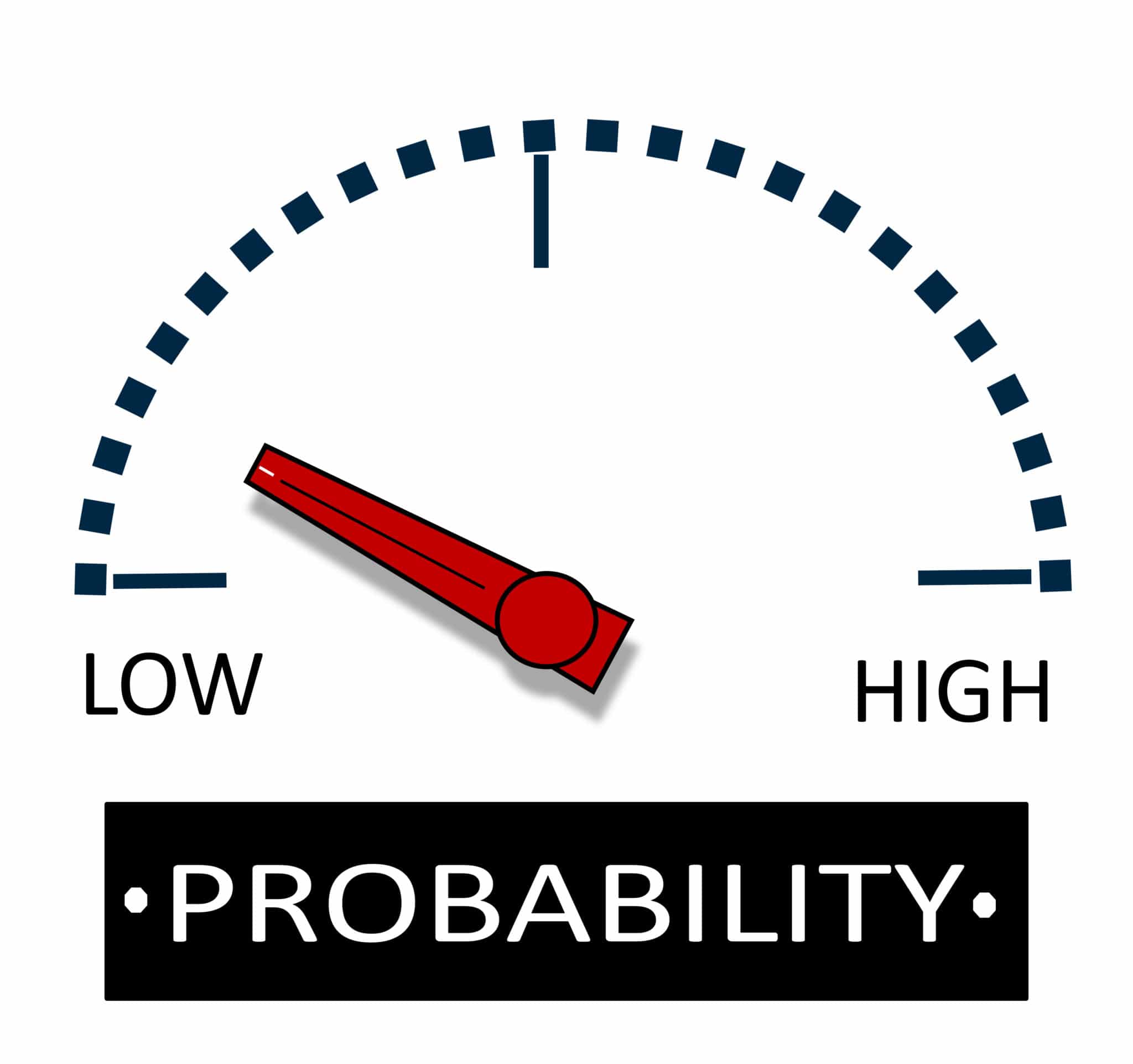

The art of the probable
On the surface, there’s a singular purpose behind the introduction of stress testing: ensure that the next unprecedented crisis doesn’t cause banks to blow up like they did in 2008/9. Of course, as with so many things in life, the law of unintended consequences means stress tests have morphed from being a single tool with…


Credit-Loss Forecasting: A Practical Guide to CECL
The COVID-19 crisis found most financial models wanting. In response, modelers panicked: what models, and how many of them, were now needed to cope with the “new normal”? Adding more regression models with different drivers won’t help capture tail risk in advance. Applying models calibrated to historical data to stress scenarios is simply wrong. In my latest…

Post COVID-19 Scenario Planning lecture
The coronavirus pandemic continues to rage globally. Vaccination campaigns have injected some much needed optimism, but they’ve also prompted thoughts to turn to what happens next. This is especially so when it comes to the world of finance and concerns about post COVID-19 risks. To that end, our CEO, Alla Gil, recently gave a lecture…

Cyborg model validation
Like the Titanic being unsinkable, banks’ models were meant to be unbreakable – able to withstand any scenario. They’d been perfectly validated, yet in the face of COVID-19, they failed. So how should we fix them? Instead of trying to fit square-pegged data into round-holed models, banks need to modify the models themselves, combining the…

Status Update: Funded
Pensions have never been especially exciting. Usually, it takes a crisis, like a company collapsing and retirees being deprived of their dues, for a pension fund to make the news. But as the world’s largest pool of assets they matter enormously. And since they’re often a company’s biggest liability, their funded status is also hugely…

Risky business: why existing models don’t work
“Prediction,” said the Danish physicist, Niels Bohr, “is very difficult, especially if it’s about the future.” Within these pages, we’ve discussed the impossibility of specifically predicting the pandemic, along with the very real possibility of being prepared for the outcomes associated with it. Ultimately, it comes down to the data, and the models they feed. For example,…

Putting Stress Tests in the Blender
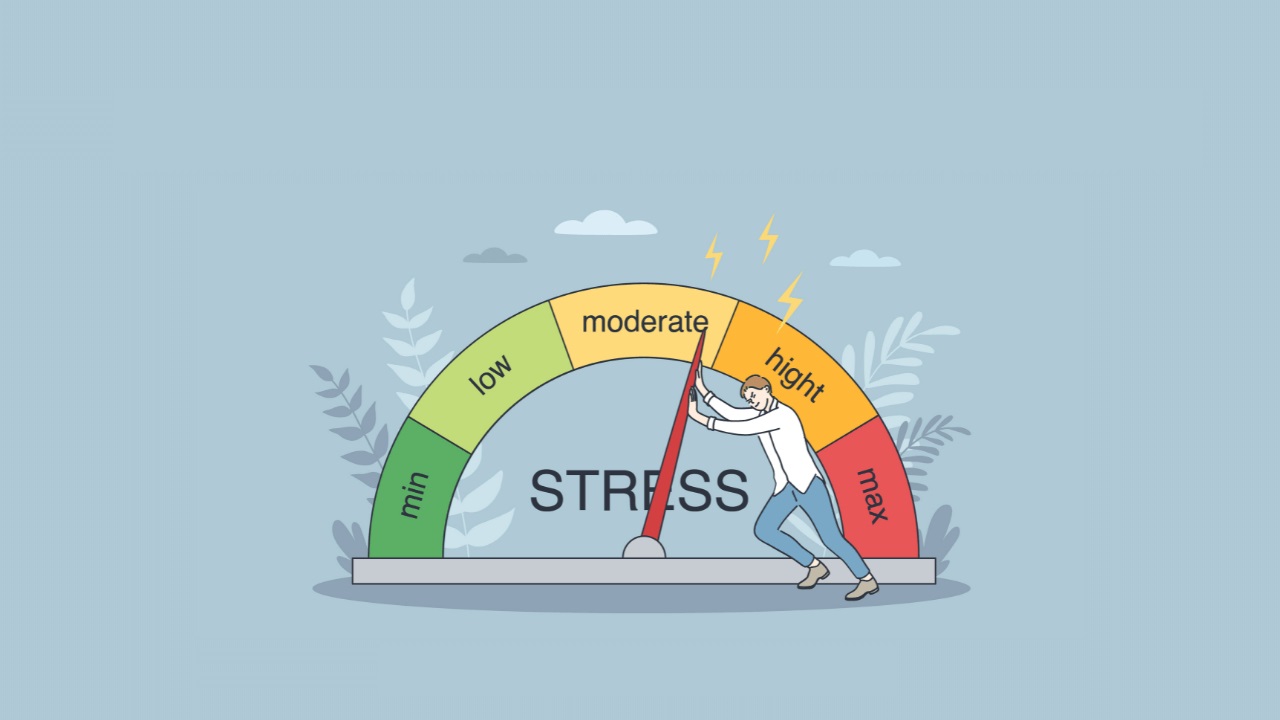
We’re delighted to share that our CEO, Alla Gil, is the new FRM Corner columnist at the Global Association of Risk Professionals (GARP). Her first piece is out now. It’s on whether, amid the pandemic, the U.S. Federal Reserve’s stress tests (aka the Comprehensive Capital Analysis and Review (CCAR)), should be applied more broadly, and…