Insights

The stagflation challenge: how to future-proof liquidity risk
Cash is king. This may be a cliché, but it also happens to be true. If your balance sheet is bulging with greenbacks, it’s almost impossible to default. By contrast, you can have capital buffers in the billions, but if they’re not liquid enough, even Croesus-like sums won’t be able to save you from default.…


Wealth Management: Is It Too Late for Early Warnings?
From politics to punchlines, timing can be everything. The same goes for investment. In an ideal world, wealth managers would have foreseen the declines we’ve seen on financial markets and taken pre-emptive action. Yet despite declines of 15-20%, history suggests there could be more drops to come – which means it may not be too…


How to Manage Balance-Sheet Risk in Volatile Times
Markets tanking, rates rising, recession looming, Russia’s Ukraine invasion ongoing – these are, to put it mildly, volatile times. Against this backdrop, how should financial institutions manage balance-sheet risk? Strengthening their balance sheets is a good place to start. To do so, they should employ a proper mix of scenario and sensitivity analyses – but…


The Next Frontier in Risk Management: How to Achieve Digitalization
What do you do if you want to digitalize your risk management processes? For a start, firms need to take a top-down, big-picture approach that makes use of explainable machine learning. Then there are three core steps: readying your formulaic dependencies – e.g., calculation of NII, RWA, ECL, LCR/NSFR and capital ratios from underlying scenario…

IERM: How to Build a True Risk-Business Partnership
Some of us dream of Olympic glory. Others, of making it big by backing the next meme stock before it goes to the moon. For the past three decades or so, financial and corporate strategy teams have had a somewhat more prosaic dream: integrated, enterprise-wide risk management (IERM). Now – at last -that dream is…


Strategic Asset Allocation
What is Strategic Asset Allocation’s problem? It helps investment managers determine how best to spread their investments. But SAA can’t use standard mean-variance portfolio analysis. Adding a few standalone stress scenarios doesn’t help either. Unless all feasible risks are incorporated into the analysis, you won’t know what your return is – regardless of the strength…

The pros & cons of Alternative Investments
Alternative investments are all the rage these days. But how do you select an investment strategy that optimally improves the risk/reward trade-off in your portfolio, while avoiding being overwhelmed with capital charges? For the answers, check out Alla Gil’s latest GARP column here.


The Uncertainty of Inflation Risk
Inflation is surging. But just how high will it go, and how long will it endure? The short answer is that no-one knows for sure. But while predicting the precise scenario that’s set to unfold is impossible, it is possible to estimate the range inflation will fall into, and its consequences for the market. To learn more,…


The Alternative Data Craze: Peering Behind the Curtain
To enhance returns, develop dynamic risk limits and beat competition, asset managers and hedge funds are increasingly turning to alternative data. But what’s driving the big demand for this unconventional information? Where does machine-learning come into play? And how can users choose the right data to mitigate long-term risk and make strategic decisions? For the…

How effective are your Scenarios?
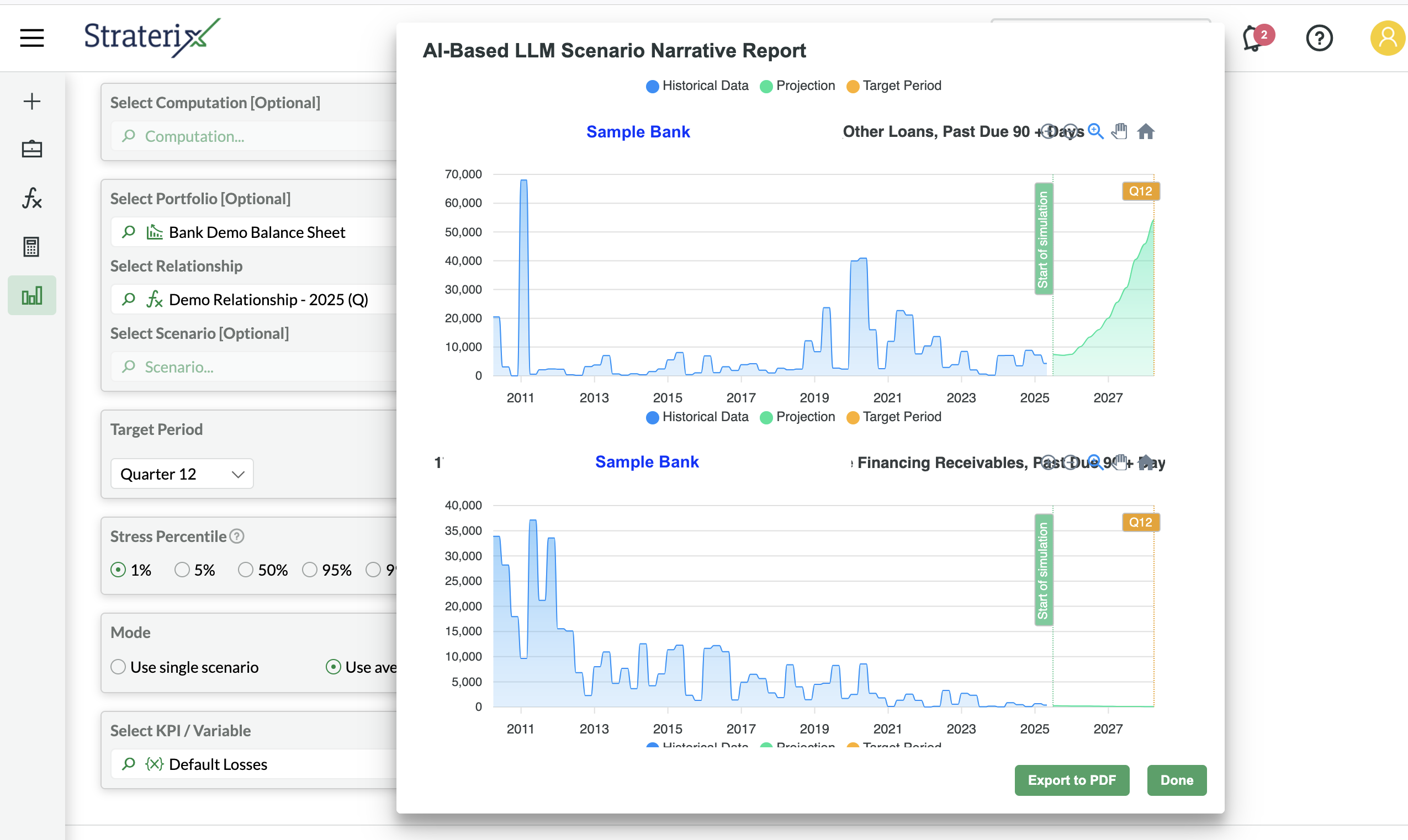
Many business functions use automatically generated scenarios for pricing, hedging, and meeting regulatory and accounting requirements. These scenarios are generated with certain probabilities: real, risk-neutral, and so-called market-consistent ones. Some of these probabilities are appropriate for only one type of application, others for different ones. So is it possible to consistently combine them in automated…

What’s Missing in Asset and Liability Management?
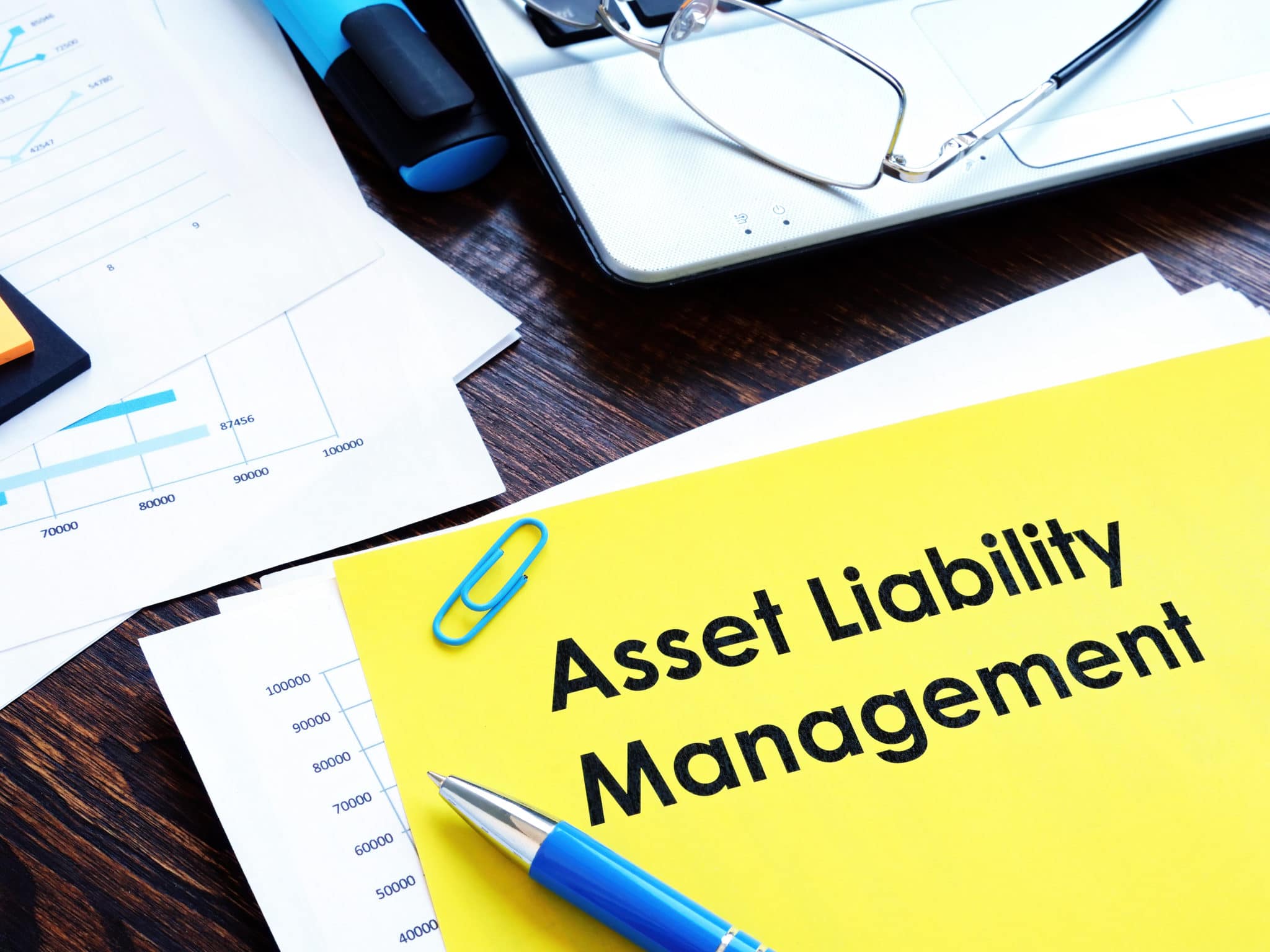
Quite a bit, as it happens. Traditional Asset & Liability Management (ALM) assumes deterministic levels of assets and liabilities and focuses on interest rate, currency, and liquidity risks. Ideally, it should apply to the dynamic behavior of the entire balance sheet of an organization. To learn more, check out Alla Gil’s latest Global Association of Risk Professionals (GARP) column.

How to Stress Test for Extremely Unexpected Scenarios
Like reality TV or Marmite, surprises aren’t to everyone’s taste. Sometimes they’re nasty (like the pandemic and the lockdowns it caused). Sometimes they’re nice (like the rapid market recovery prompted by unprecedented government stimulus). By definition, surprises are unexpected. No single market shock is a carbon copy of a previous one. And although we stress…