Admin

Status Update: Funded
Pensions have never been especially exciting. Usually, it takes a crisis, like a company collapsing and retirees being deprived of their dues, for a pension fund to make the news. But as the world’s largest pool of assets they matter enormously. And since they’re often a company’s biggest liability, their funded status is also hugely…

Risky business: why existing models don’t work
“Prediction,” said the Danish physicist, Niels Bohr, “is very difficult, especially if it’s about the future.” Within these pages, we’ve discussed the impossibility of specifically predicting the pandemic, along with the very real possibility of being prepared for the outcomes associated with it. Ultimately, it comes down to the data, and the models they feed. For example,…
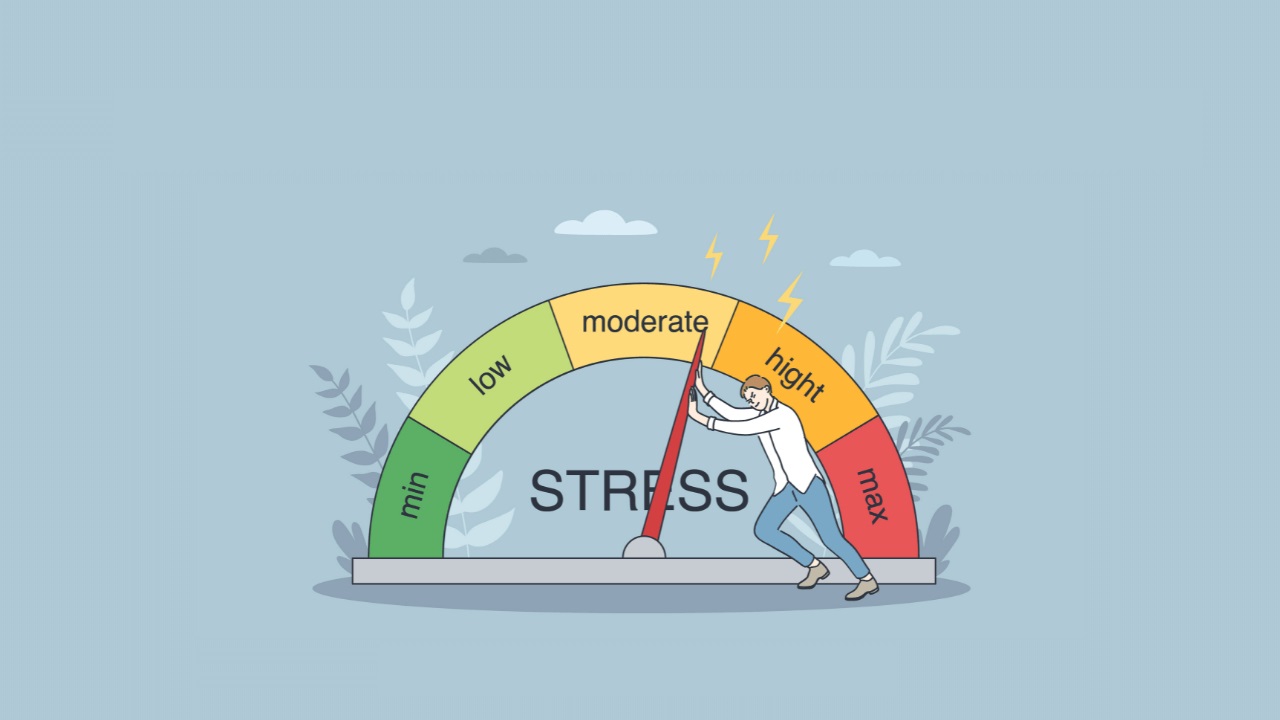

Putting Stress Tests in the Blender
We’re delighted to share that our CEO, Alla Gil, is the new FRM Corner columnist at the Global Association of Risk Professionals (GARP). Her first piece is out now. It’s on whether, amid the pandemic, the U.S. Federal Reserve’s stress tests (aka the Comprehensive Capital Analysis and Review (CCAR)), should be applied more broadly, and…
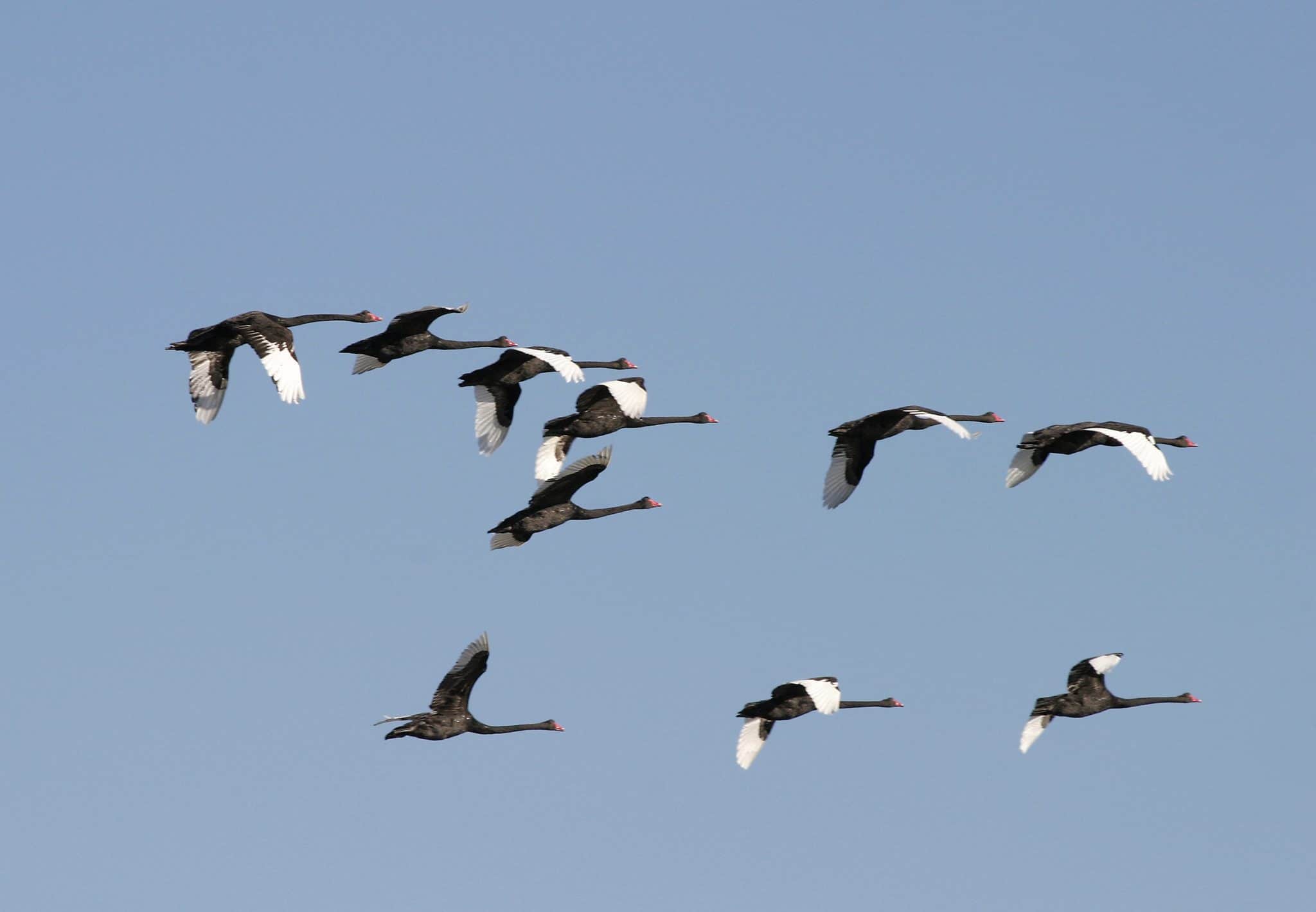

What to Do When Black Swans Invade
In these crazy days, it can sometimes seem like one-in-a-hundred-year events are happening every five years (of course, as long as the events are all different, there’s not necessarily a contradiction here!). These crises – complete with catastrophic consequences (think the Global Financial Crisis of 2008, or the current pandemic) – are rare events; few expected…


When Covid Moves the Risk Goalposts
Imagine running-up to take a penalty, only for the goalposts to move just as you’re about to kick the ball. What if the ball was the capital you’re managing and the goalposts the risk you’re prepared to take? That sums up what risk managers have had to contend with during COVID. Yet most organizations adjust…
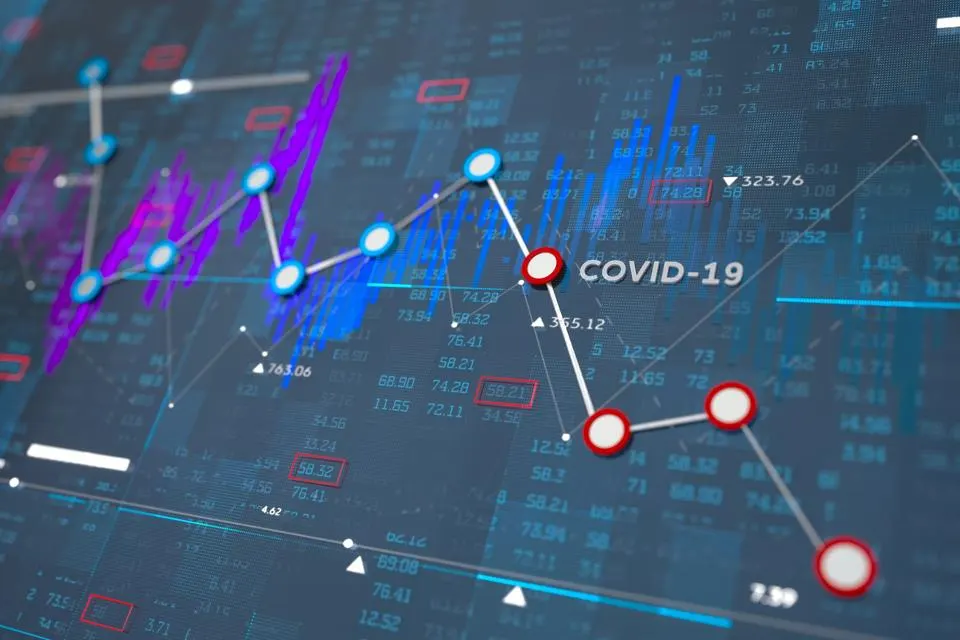

Three Investment Lessons From the COVID Crisis
Equities, bonds and cash. This is the holy trinity of assets where investment managers stash most of their money. They may have a bit of all three; they may invest exclusively in stocks, and then only in “safe” sectors. How they divvy up their allocations will, of course, depend on the amount of risk they’re…

How Fed Stress Tests Helped Prep the U.S. For COVID
They sent chills down the spines of every big bank CEO, forcing some of the most storied names on Wall Street to try multiple times before receiving a pass. Since then, the Federal Reserve’s annual stress tests – aka the Comprehensive Capital Analysis and Review (CCAR) – have become something of a box-ticking exercise. No…

If You Don’t Like Surprises, Avoid Them
The past six months have been full of surprises, ranging from the coronavirus pandemic and lockdown, to massive government intervention and soaring stocks. Against this backdrop, one is almost tempted to feel sorry for risk professionals. After all, it’s their job to make sure senior management is ready for anything – even surprising and unprecedented events.…
Herd Immunity: Why Stocks Keep Rising (Despite COVID-19)
Have the markets gone mad? After the COVID crash – prompted by the “Great Shutdown” rather than than the pandemic itself – markets have recovered their vim. As Bloomberg’s Sarah Ponczek tweeted: “The fastest plunge ever turned into the quickest 50-day advance in nine decades.” It doesn’t seem to matter how bad the bad news is.…

How to Make Fed Stress Tests Pandemic-Proof
Stale, confusing and little more than a compliance exercise designed to enable banks to continue paying dividends – that’s how Harvard professor and former Federal Reserve board member, Daniel K Tarullo, described last week’s bank stress tests. The Fed, he writes, must do better, and overhaul the entire process: Given the admitted roughness of the sensitivity analysis, doesn’t…
Wall Street’s Pandemic Stress Test
Totally outdated. That’s how the U.S. Federal Reserve must now feel about February’s bank stress tests – within weeks, the COVID-19 pandemic had rendered them useless. Of course, the Fed isn’t expected to predict the future. At the time, it asked banks to run two scenarios on their balance sheets: “baseline” and “severely adverse” (it…

Thought Predicting the Pandemic Was Hard? Try Predicting the Response
The precise timing and severity of a pandemic is impossible to predict: there is no Minority Report-style “pre-pandemic”, where genetically-blessed soothsayers see the future. But as we discussed in previous posts, it is possible both to prepare for an outbreak, and to understand which scenarios will have the biggest impact on your organization. But what about the government response? Again,…